Cassette Film Scanning
4x5 Film Holder for DSLR Film Scanning
4x5 Film Holder for DSLR Film Scanning
Couldn't load pickup availability
Get cleaner scans with less re-shooting
Keep 4×5 film flat, aligned, and secure for sharper scans, consistent framing, and fewer reflections. This 4×5 film holder is built for DSLR film scanning and mirrorless camera scanning workflows.
- Flatter film for sharper detail across the sheet
- Stable alignment for consistent framing from shot to shot
- Faster workflow once you dial in your setup
- At-home control over exposure and final output
Why flatness and alignment matter
Large-format film shows everything. If the negative isn't flat or aligned, you'll see it immediately in the scan—and you'll spend time fixing problems later. A stable 4×5 film scanning setup keeps results consistent and predictable.
How it fits into a DSLR scanning setup
Use it with a DSLR or mirrorless camera, a macro lens, a copy stand, and an LED light panel. Load the film once, set your framing, and move through your scans with fewer adjustments.
If you're building out your workflow, start with our DSLR film scanning setup guide.
How it works
- Place the holder on your light source.
- Load a standard 4×5 sheet.
- Set focus and framing once.
- Capture consistently without chasing curl or shift.
4×5 film holder specs
- Film: Standard 4×5 sheet film
- Light sources: Works with LED panels used for camera scanning. The key is an evenly lit area larger than the image area.
- Stands: Fits typical copy stand setups
Quick checklist before you buy:
- Does your light source provide even light across the full 4×5 frame?
- Does your copy stand or mount provide enough clearance to keep the camera level and centered?
- Can your macro setup fill the frame without cropping corners or vignetting?
Materials and build
The holder keeps film aligned and stable for more consistent scans. Anti-glare glass helps reduce reflections, while the glass base supports the film evenly across the frame.
4×5 aspect ratio
The 4×5 aspect ratio is 4:5 in portrait orientation and 5:4 in landscape. This format is widely used for large-format photography and prints.
Learn more in our film aspect ratio guide.
Why DSLR scanning vs lab scans
- Sharper results when the film stays flat
- Faster workflow once set up
- No per-sheet lab costs
- Full control over exposure and final image
If you scan regularly, bringing this in-house saves time and gives you more control. Use our scan film at home vs lab calculator to see when it pays for itself.
Built around simplicity, this holder keeps film flat and aligned without unnecessary parts or adjustments. The straightforward design is easy to set up and use, and delivers consistent results scan after scan.
Part of a modular film scanning system
- Start with 35mm
- Expand to 120 and 4×5 using the same base
- Upgrade only when needed
Moving to 8×10 requires a larger base, but the workflow stays the same.
Who this is for
This is for you if:
- You scan 4×5 film regularly
- You want cleaner, more consistent results
- You use a DSLR or mirrorless scanning setup
This might not be for you if:
- You only scan occasionally
- You prefer sending everything to a lab
What's included
- 4×5 film holder
- Compatible base
- Anti-glare top glass
- Plate-glass support base
- 2 retaining clips
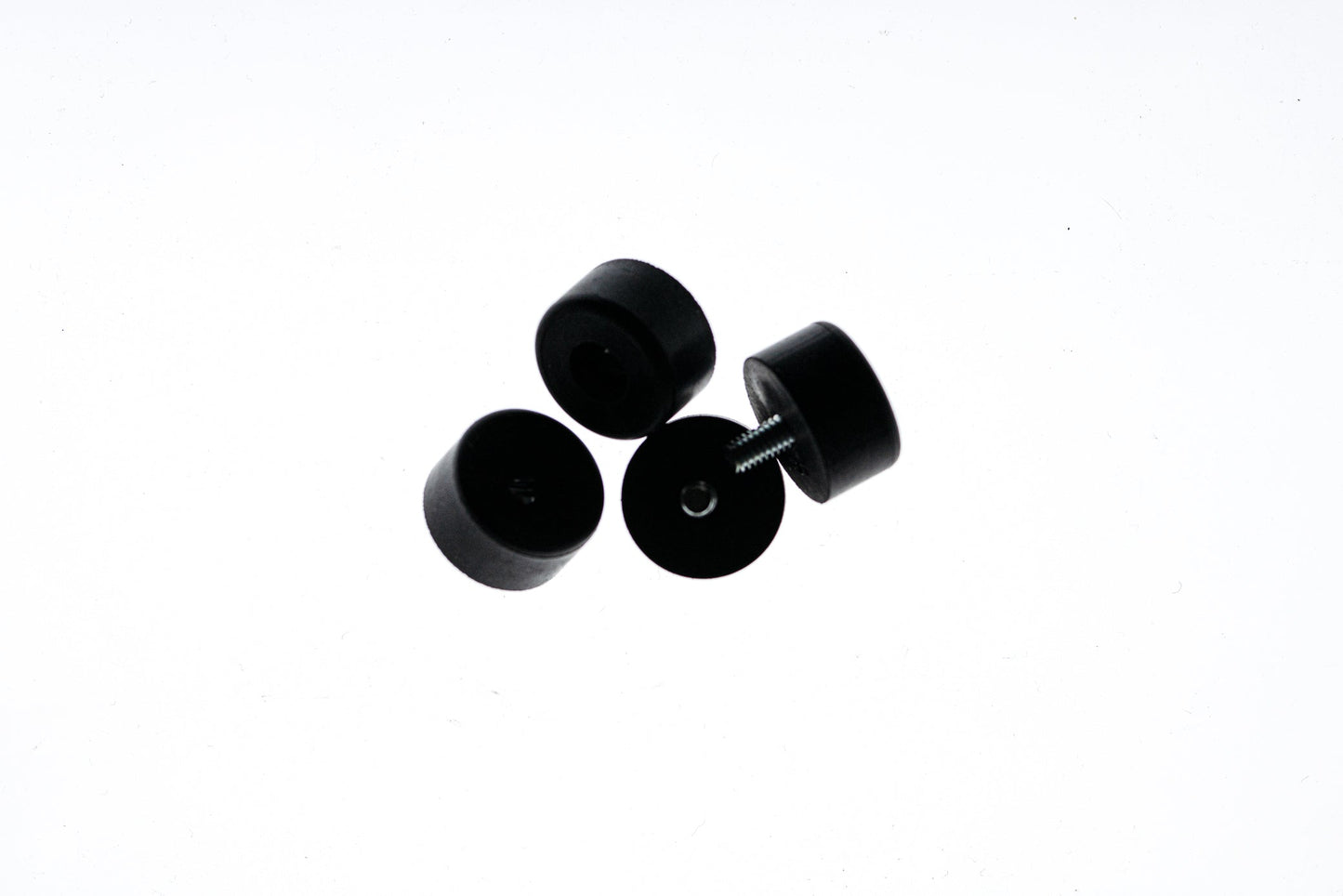
- 4 thumb screws
Light source, camera, macro lens, and copy stand not included.
Compare formats
Q&A
What else do I need to start scanning 4×5 film?
You'll need a DSLR or mirrorless camera, a macro lens, a stable mount or copy stand, and a consistent LED light source. The light source and copy stand are not included.
How does the holder help minimize glare or Newton rings?
The anti-glare glass top and plate-glass base help reduce reflections and support the sheet evenly for more consistent scanning.
Will this work with my LED light panel?
Yes. As long as your light is even across the full 4×5 image area and the holder sits flat on the panel, you're good to go.
Will the holder scratch film?
When used properly and kept clean, it's designed to support the negative without abrasion. Keeping both the film and holder dust-free is key.
Will this work with my current camera scanning setup?
It works with most DSLR and mirrorless scanning setups, standard 4×5 film, copy stands, and LED light panels.
Why choose DSLR scanning over a flatbed or lab scans?
Sharper scans start with flat film. You get a faster, more repeatable workflow, no recurring lab fees, and full control from capture to final image.
Build Your DSLR Film Scanning Workflow
This holder is part of a complete camera scanning setup built around flat film, even light, and repeatable alignment.
Share